Winter Park: Walkability, Character, and Inventory Constraints
Winter Park is the only neighborhood in the Orlando metro where you can walk to coffee, dinner, boutique shopping, and a museum without getting in your car. That walkability, combined with historic charm, top-rated schools, and a tight housing supply, makes it the most consistently in-demand residential market in Central Florida. It also makes it one of the most competitive.
Homes in core Winter Park range from $500K for a modest bungalow to $2M+ for a renovated estate near Park Avenue. If you are serious about buying here, you need to understand the inventory dynamics and renovation math before you start looking.
What Makes Park Avenue So Important to Winter Park Real Estate?
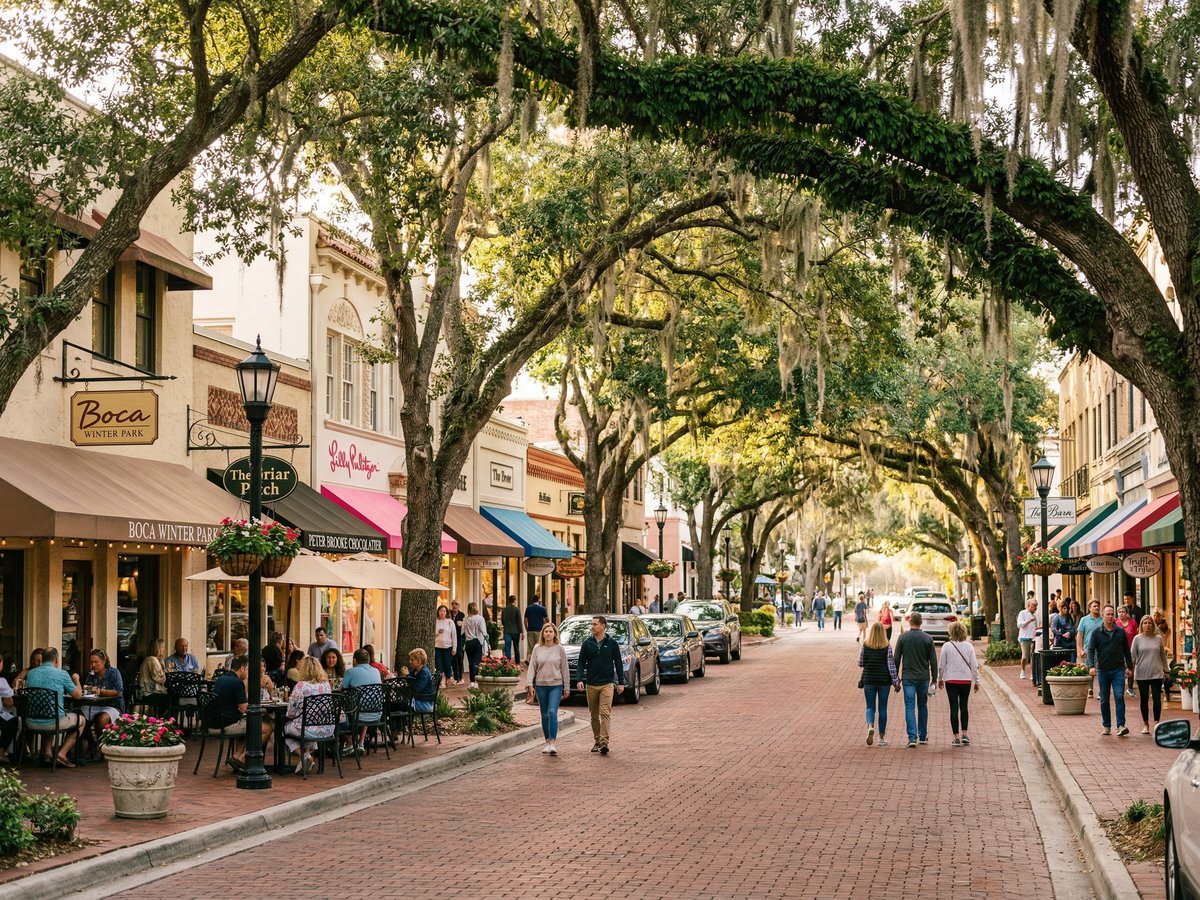
Park Avenue is the gravitational center of Winter Park. It is a tree-lined, walkable street with independent boutiques, restaurants, galleries, the Morse Museum, and Central Park running alongside it. Rollins College anchors the south end. The Winter Park Farmer's Market draws thousands every Saturday.
Real estate professionals call this the "Park Avenue Effect." Properties within walking distance of the Avenue consistently hold value better, sell faster, and appreciate more than comparable homes even a few miles east. The reason is simple: walkability is rare in Central Florida, and Park Avenue delivers it in a way that no other Orlando neighborhood can replicate.
As of January 2026, the median home price in Winter Park sits around $619,000, but that number is misleading because it blends the core walkable neighborhoods with more suburban sections east of 17-92. In the core, particularly between Fairbanks Avenue, Aloma Avenue, Orange Avenue, and Lakemont, you should expect to pay $700K to $1.5M for a three- or four-bedroom home.
What About the Historic Homes?
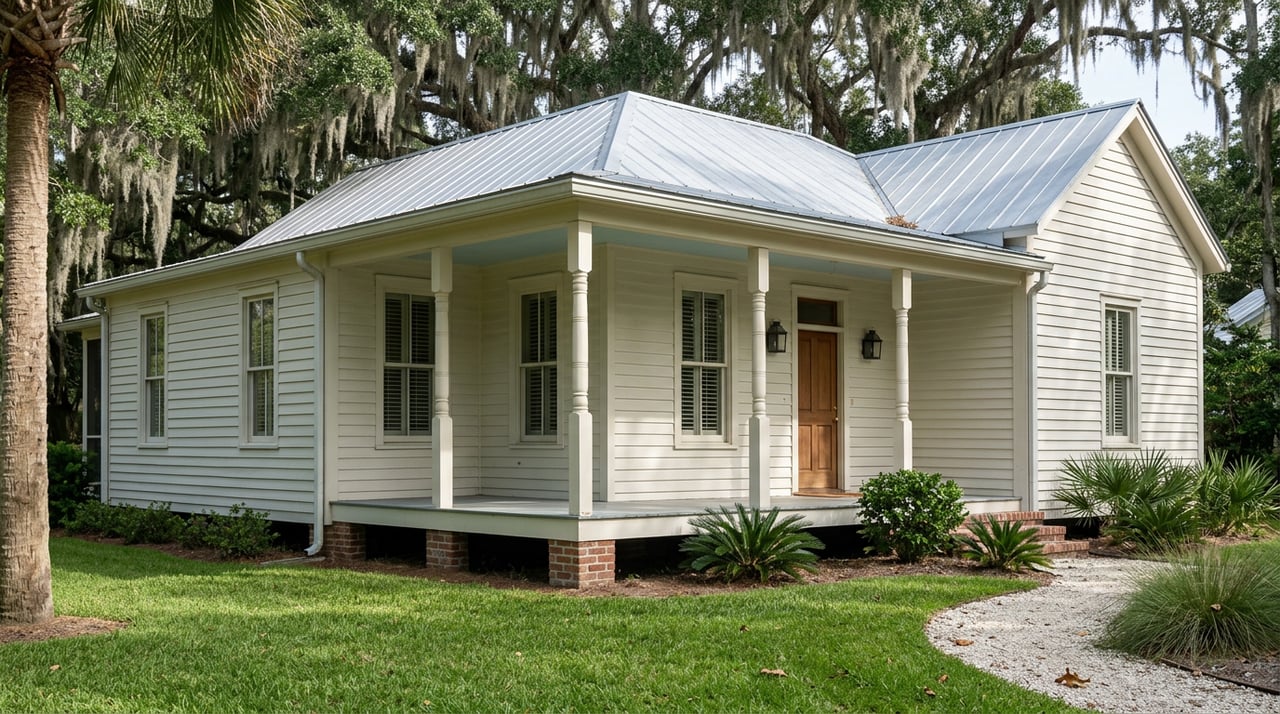
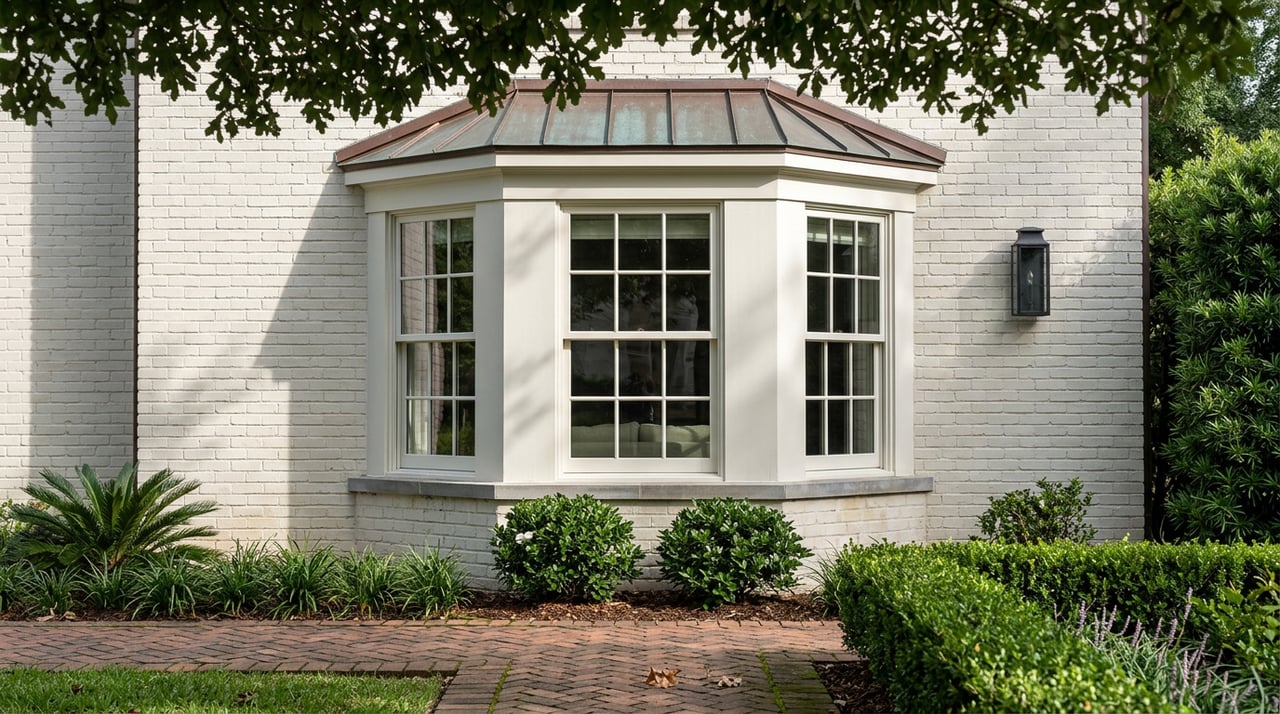
Winter Park's housing stock includes a significant number of homes built between the 1920s and 1950s. These are the Mediterranean revivals, Craftsman bungalows, and mid-century ranches that give the neighborhood its character. They are also the properties that require the most careful evaluation.
Historic homes in Winter Park often come with:
-
Renovation costs of $100K to $300K+ for a full kitchen, bathroom, electrical, and plumbing update. Older homes may have cast-iron plumbing, knob-and-tube wiring, or inadequate HVAC systems.
-
Roof considerations. Many historic homes have original or second-generation roofs. Insurance companies require 4-point inspections and will either charge premium rates or decline coverage on older roofs. A new roof runs $15,000 to $35,000 depending on the material and footprint.
-
Limited expansion potential. If the home is in a designated historic district, exterior modifications may require approval from the Historic Preservation Board. Additions are possible but must comply with architectural guidelines.
-
Higher insurance costs. Older homes with older systems simply cost more to insure. Budget $6,000 to $10,000+ per year.
The upside: a renovated historic home in core Winter Park appreciates differently than a tract home in a suburban subdivision. You are buying scarcity and character that cannot be replicated.
How Tight Is Inventory?
Inventory in core Winter Park is structurally constrained. The neighborhoods are built out. There is no raw land being developed into new subdivisions within walking distance of Park Avenue. Supply comes only from existing homeowners deciding to sell.
In early 2026, inventory remains tight with high demand for premium locations. When a well-priced, well-located home hits the market in core Winter Park, it draws serious interest within the first week. Bidding over ask is less common than it was in 2021 or 2022, but desirable properties still move faster than the Orlando metro average of 43 days to pending.
The practical implication for buyers: you cannot wait for the perfect home to appear at a discount. You need pre-approval in hand, a clear budget, and a willingness to act within days of a listing going live. Off-market opportunities exist, and working with an agent who has deep relationships in the Winter Park market can surface properties before they hit the MLS.
What Is the Condo vs. Single-Family Decision?
Winter Park offers both single-family homes and condominiums, and the choice comes down to budget, lifestyle, and maintenance tolerance.
Single-family homes in core Winter Park start around $500K for a smaller two- or three-bedroom that needs work and stretch past $2M for renovated four-bedroom estates. You get yard space, privacy, and full control over your property. You also get maintenance responsibility for the roof, landscaping, pool (if applicable), and exterior.
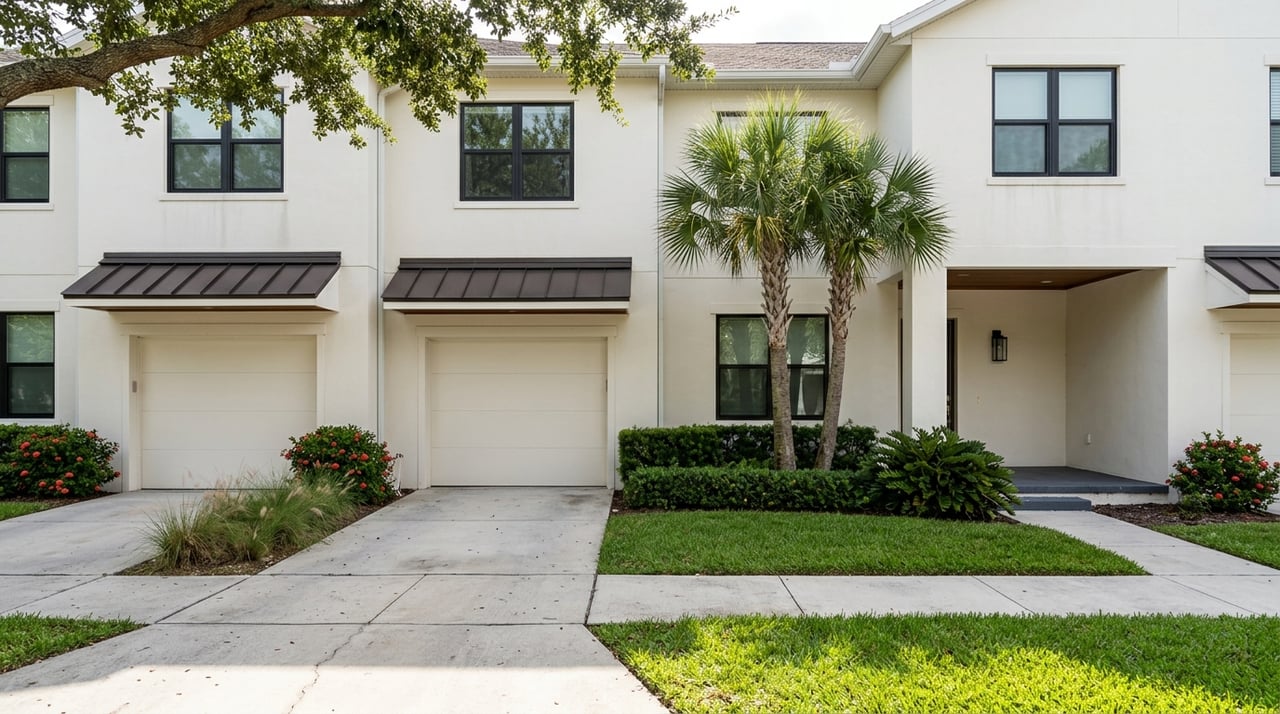
Condos and townhomes offer a more affordable entry point, starting in the $250K to $400K range. You sacrifice space and privacy but gain a walkable location with lower maintenance. Condo HOA fees in Winter Park typically run $300 to $450+ per month, which covers exterior maintenance, insurance, and amenities. Be aware that Florida's updated condo safety requirements (post-Surfside legislation) are increasing reserve requirements and, in some cases, triggering special assessments.
For buyers under $500K who want a Winter Park address and walkability, condos are often the only realistic option.
How Are the Schools?
Schools are a top-tier selling point. Winter Park High School holds an A+ Niche grade, is ranked 46th among Florida's best public high schools, and maintains a 98% graduation rate with an average SAT score of 1230. It is one of the strongest public high schools in the Orlando metro.
Elementary and middle schools in the Winter Park zone are also well-regarded. The combination of strong public schools and proximity to excellent private options (including Trinity Preparatory School and The Geneva School) makes Winter Park one of the most education-oriented communities in Central Florida.
For families relocating from competitive school districts in the Northeast or Midwest, Winter Park's schools are the closest analog in the Orlando area.
What Is the Commute Like?
Winter Park sits immediately north of downtown Orlando, making it one of the best-positioned neighborhoods for commuters.
-
Downtown Orlando: 10 to 15 minutes, 15 to 20 during rush hour
-
Lake Mary/Sanford: 20 to 25 minutes via I-4 or 17-92
-
Theme park corridor: 25 to 35 minutes depending on I-4 conditions
-
Orlando International Airport: 25 to 30 minutes
The SunRail commuter train has stations in Winter Park and provides a car-free option for commuting to downtown Orlando, Sand Lake Road (near Dr. Phillips), and points north to Sanford. It is not as convenient as a subway system, but it is a real alternative for some commuters.
FAQ
What is the price range for homes in core Winter Park?
Core Winter Park homes typically range from $500K for a fixer-upper bungalow to $2M+ for a renovated estate near Park Avenue. Condos start around $250K to $400K. The median home price across all of Winter Park is approximately $619K.
How much does it cost to renovate a historic Winter Park home?
Full renovations (kitchen, bathrooms, electrical, plumbing, HVAC, and roof) typically run $100K to $300K+ depending on the scope. Cosmetic updates can be done for less, but older systems usually need attention.
Is Winter Park walkable?
Core Winter Park, particularly the neighborhoods near Park Avenue and Hannibal Square, is the most walkable area in the Orlando metro. You can walk to restaurants, shops, the farmer's market, and cultural venues. Areas east of 17-92 are more car-dependent.
What are property taxes in Winter Park?
Orange County's effective rate is approximately 0.89%. A $700K home runs about $6,230 per year. Primary residents qualify for a homestead exemption of up to $50,000 off assessed value.
Is Winter Park better than Baldwin Park for walkability?
Both offer walkability, but they are different experiences. Winter Park's Park Avenue has independent boutiques, restaurants, and cultural institutions in a historic setting. Baldwin Park is a master-planned community with a town center, parks, and a more suburban-new-urbanist feel. Winter Park has more depth and character. Baldwin Park has more consistency and newer construction.
Browse listings and neighborhood details in our Winter Park neighborhood guide.