Wondering whether Maitland gives you the right mix of convenience, community feel, and everyday livability? If you are comparing north Orlando suburbs, that question matters because a place can look great on paper but feel very different once you factor in commute options, school logistics, and what daily life actually looks like. This guide walks you through what stands out in Maitland so you can decide if it fits your pace, priorities, and plans. Let’s dive in.
Why Maitland Gets Attention
Maitland is an incorporated city in Orange County with roughly 22,000 residents. The city describes itself as a mix of friendly neighborhoods, a growing downtown center, tree-filled parks, and an active art and history scene.
That combination gives Maitland a different feel from some newer suburban areas nearby. Instead of reading as a purely car-dependent bedroom community, it comes across as a close-in suburb with established character and an evolving town center.
Commute in Maitland
For many buyers, commute is where Maitland starts to make sense. The city’s core transportation story centers on SunRail and the U.S. 17-92 corridor, which helps connect residents to downtown Orlando and other major destinations.
Maitland has long been tied to Orlando’s north-south growth pattern. According to the city’s history, Orlando Avenue and Maitland Avenue became major corridors for condos, garden apartments, restaurants, and commercial uses in the 1960s, while Maitland Center west of Interstate 4 continues to grow.
SunRail Access Matters
Maitland’s SunRail station is located at 801 North Orlando Avenue. The station is described as being within a short walk of the city’s planned downtown redevelopment and municipal complex, with access to parking, shopping, restaurants, Lake Lily Park, and transit connections.
For regular downtown commuters, the posted weekday schedule makes rail a practical option. Maitland is about 19 minutes from LYNX Central Station and about 22 minutes from Church Street on the same run.
If you want a realistic alternative to driving every day, that is one of Maitland’s strongest selling points. Not every suburb in the area offers a rail option that feels usable for a normal workweek.
Road Connectivity and Daily Travel
Even if you do not plan to use rail, Maitland benefits from long-established roadway access. U.S. 17-92 remains a key route through the city, and Maitland Center’s continued growth west of I-4 reinforces the area’s connection to regional job centers.
That does not mean every trip will feel effortless. Like many close-in Central Florida locations, convenience comes with activity, movement, and a built-up corridor pattern rather than a quiet edge-of-town layout.
Downtown Maitland Today
One of the most important things to understand is that downtown Maitland is still evolving. The city’s Community Redevelopment Agency covers 246.308 acres, and local planning documents emphasize interconnected neighborhoods, multimodal transportation, and smart redevelopment.
The city’s 2024 CRA goals call for a more concentrated mix of government, office, residential, and commercial uses. In plain terms, downtown is active and improving, but it is not a finished, fully built-out district.
That can be a plus if you like buying into an area with ongoing investment. It can also be worth noting if you are hoping for a completely polished urban environment on day one.
Schools and Family Logistics
If school access is high on your list, Maitland offers a few notable reference points within Orange County Public Schools. OCPS identifies itself as an A-rated district on the school pages for both Dommerich Elementary and Maitland Middle.
As always, school fit depends on your child’s needs, grade level, and preferences. Still, there are some practical details here that buyers often want to know.
Dommerich Elementary at a Glance
Dommerich Elementary is located at 601 N Thistle Lane. The school says it has again earned an A school designation, and SchoolDigger rates it 5 stars and ranks it 25th out of 2,258 Florida elementary schools.
For buyers focused on elementary-age logistics, this is one of the clearest public-school talking points in Maitland’s immediate area. Dommerich also offers before- and after-school programming through Champions, which can be helpful if your schedule requires school-based childcare.
Maitland Middle at a Glance
Maitland Middle is located at 701 N Thistle Lane and serves grades 6 through 8. The school notes Spanish instruction and a no-cost after-school program funded through Orange County Government and run with the YMCA.
Its background and offerings may appeal to families looking for added after-school structure. Third-party performance data is more mixed than Dommerich’s, with SchoolDigger placing Maitland Middle at the 54.3rd percentile statewide and assigning a 3-star rating.
What This Means for Buyers
If you are moving with children, Maitland may appeal most when you value having established public school options and nearby support programs as part of your daily routine. The details in this area are less about broad claims and more about practical planning.
You may want to focus your home search around the logistics that matter most to you, such as drop-off convenience, after-school coverage, and how close you want to be to campus.
Housing Style and Neighborhood Feel
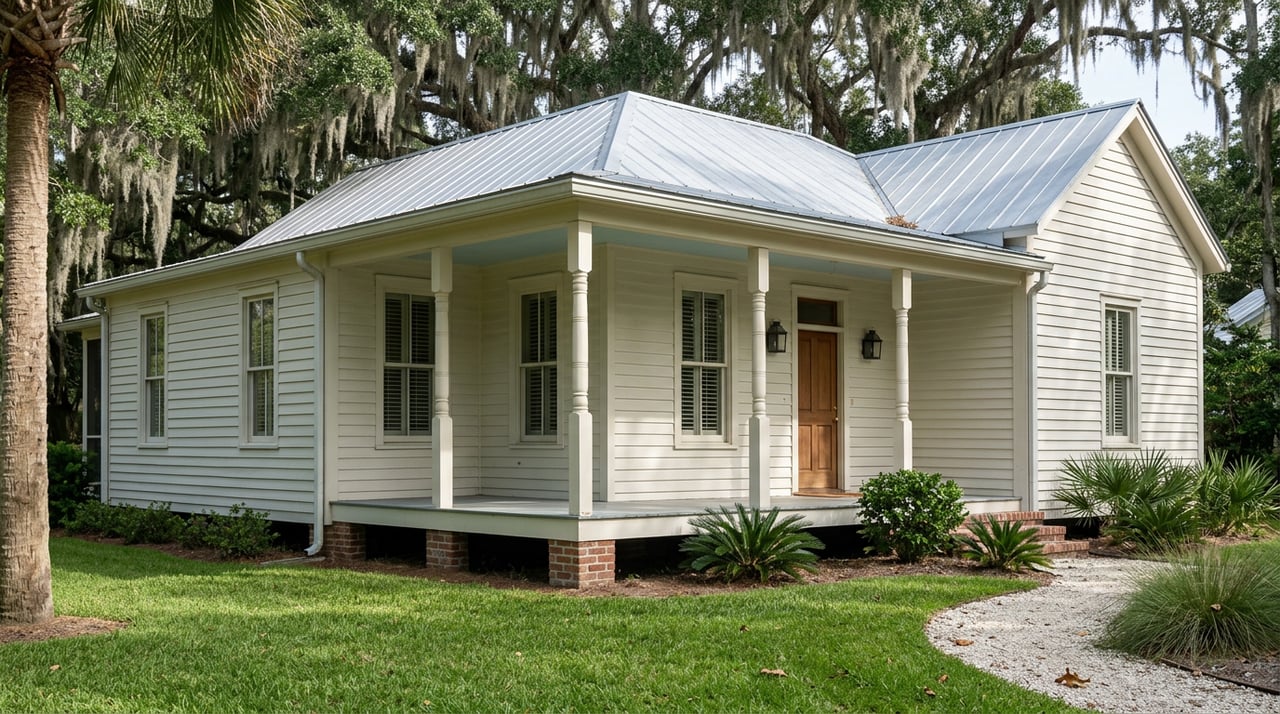
Maitland’s housing stock stands out because it reflects a long local history instead of a single development wave. The city is one of Central Florida’s oldest incorporated municipalities, and it highlights a strong residential identity tied to historic preservation.
Its historic corridor runs through the Lake Lily and Lake Catherine area, with homes dating from 1881 to 1908. The city also notes later waves of growth, including condos and garden apartments along Maitland and Orlando Avenue in the 1960s, followed by new subdivisions in the 1970s.
A Broader Mix of Homes
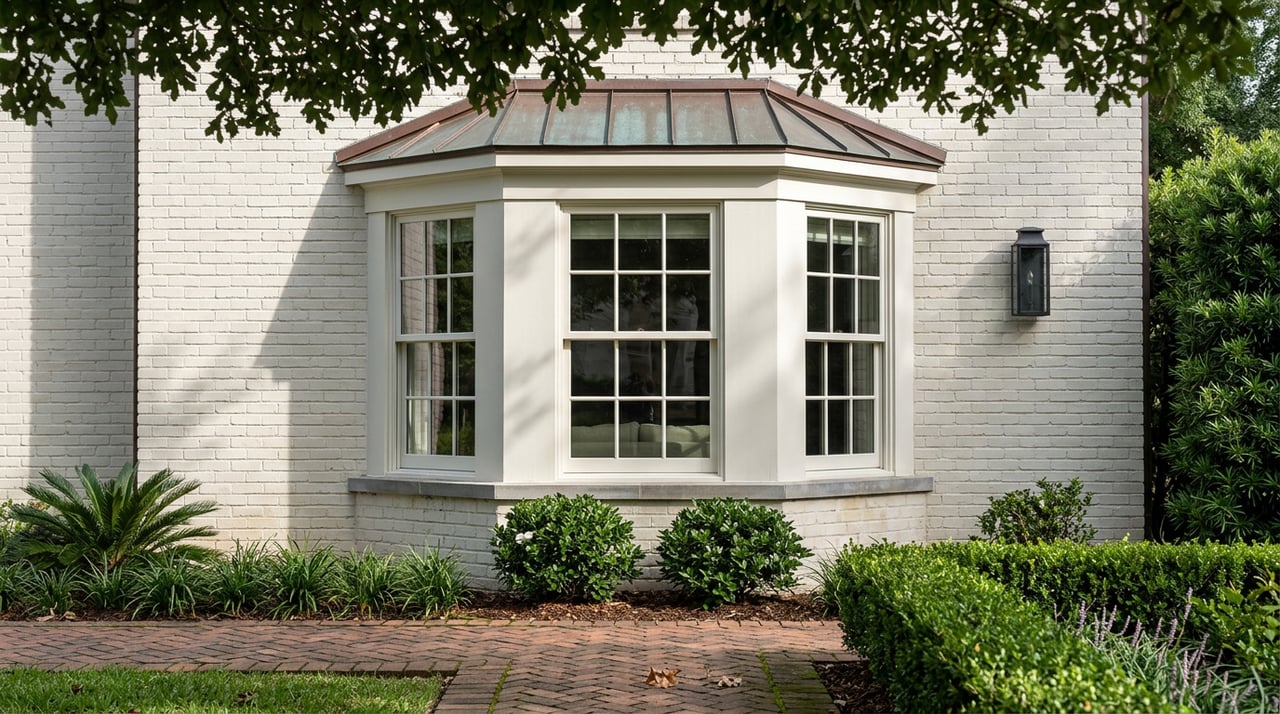
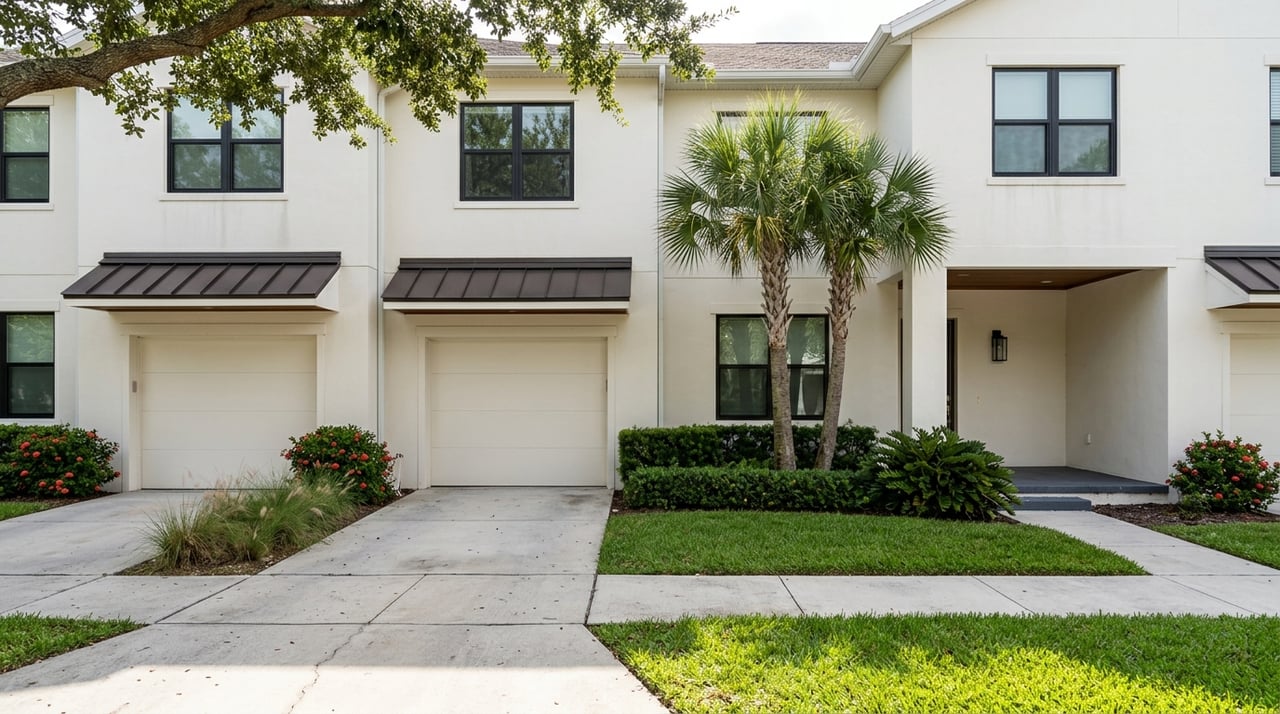
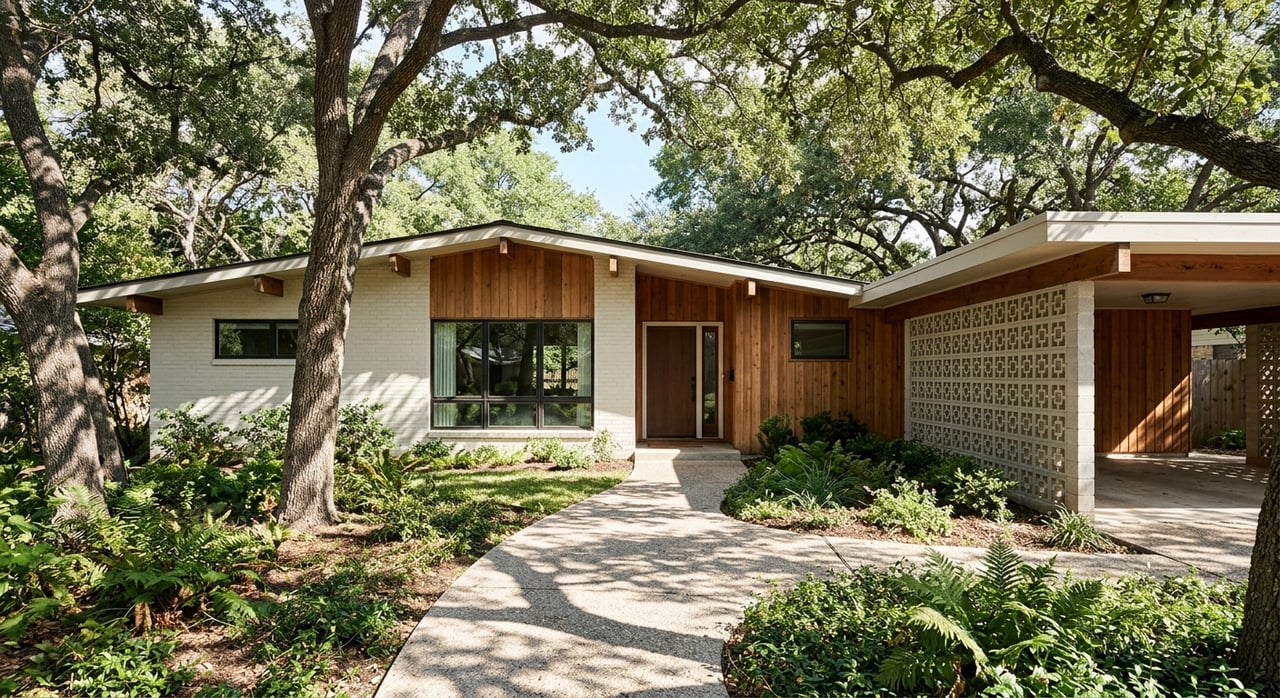
For you as a buyer, that usually means more variety. Maitland offers a housing mix that can include older lake-adjacent streets, mid-century-era homes, low-rise multifamily pockets, and newer infill near the downtown core.
That variety can be a major advantage if you want choices beyond a single look or lot type. It also means that one part of Maitland may feel very different from another, so neighborhood-level touring matters here.
Lakefront and Water-Oriented Living
Lake living is a real part of Maitland’s identity. The city’s lakes management division oversees 21 lakes, canals, and waterways and regulates shoreline alterations.
That tells you waterfront homes and lake-oriented streets are more than a visual bonus. They are part of a managed local landscape that shapes how parts of the city look and function.
Lifestyle in Maitland
Commute and housing matter, but daily lifestyle often decides whether a place truly feels right. Maitland has a strong local identity built around parks, trails, civic spaces, and cultural destinations.
If you want a suburb where you can mix practical living with outdoor time and local events, Maitland offers more than a simple residential base.
Parks and Trails
Maitland Community Park includes boardwalk access, jogging trails, tennis courts, basketball courts, racquetball courts, and a world trail system. The city also says Maitland has nearly 18 miles of trails, paths, and bike lanes.
That matters if walking, jogging, biking, or time outside plays a role in your normal routine. The east-west trail connector is designed to link residential areas through the park network, which adds to day-to-day usability.
Local Events and Social Rhythm
Lake Lily is one of Maitland’s biggest community anchors. The Maitland Farmers’ Market at Lake Lily Park features produce, local products, food, and crafts, while city events like Season of Light and Getdown Downtown also center around Lake Lily and Independence Lane.
That gives Maitland a recurring community rhythm rather than a place that only feels active on special occasions. For many buyers, that kind of regular local activity adds to a stronger sense of place.
Arts, History, and Civic Investment
Maitland also brings more cultural depth than some buyers expect. Downtown partners include Art & History Museums–Maitland, Enzian Theater, the Florida Film Festival, the Holocaust Memorial Resource and Education Center of Florida, Performing Arts of Maitland, and the Maitland Public Library.
Art & History Museums–Maitland includes five museums across two campuses, including the Maitland Art Center, which is a National Historic Landmark, and the Waterhouse Residence Museum on Lake Lily. The library adds another sign of long-term investment, with voters approving $14 million in March 2024 for a new 20,000-square-foot, two-story facility.
Who Maitland Fits Best
Maitland tends to make the most sense if you want a close-in north Orlando suburb with real neighborhood character. It may be a strong fit if you value usable transit, established public schools, lake-oriented scenery, and a downtown area that is actively improving.
It may be especially worth a look if you want more housing variety than you might find in newer suburban communities. The tradeoff is that Maitland’s appeal comes from a layered, evolving environment, not from a master-planned feel.
Questions to Ask Yourself
Before you decide whether Maitland is right for you, think about how you want your daily life to work. A few questions can help narrow that down:
- Do you want a realistic train option for downtown Orlando trips?
- Are established neighborhoods more appealing to you than newer planned communities?
- Would access to parks, trails, lakes, and community events improve your day-to-day routine?
- Do you want a housing search with more architectural and price-point variety?
- Are you comfortable buying in an area where downtown redevelopment is still ongoing?
If your answers lean yes, Maitland may deserve a closer look.
If you want help comparing Maitland with other Central Florida neighborhoods, the team at SERHANT. Orlando can help you narrow your options and find the right fit for your lifestyle, commute, and goals.
FAQs
Is Maitland a good place for commuting to downtown Orlando?
- Maitland offers a practical downtown option through SunRail, with weekday travel times of about 19 minutes to LYNX Central Station and about 22 minutes to Church Street, plus strong access along U.S. 17-92.
Are there notable public schools in Maitland, Florida?
- Maitland includes Orange County Public Schools such as Dommerich Elementary, which reports an A designation and a strong SchoolDigger ranking, and Maitland Middle, which offers Spanish instruction and a no-cost after-school program run with the YMCA.
What is the housing style like in Maitland?
- Maitland has a broad housing mix shaped by its long history, including older homes near the Lake Lily and Lake Catherine area, mid-century homes, low-rise multifamily options, and newer infill near downtown.
Does Maitland, Florida have walkable or outdoor amenities?
- Maitland offers outdoor features such as Maitland Community Park, nearly 18 miles of trails, paths, and bike lanes, and community gathering spaces around Lake Lily Park.
Is downtown Maitland fully developed?
- Downtown Maitland is still evolving, with active redevelopment goals focused on a more connected mix of residential, office, government, and commercial uses.
What kind of lifestyle does Maitland offer buyers?
- Maitland offers a close-in suburban lifestyle with parks, lakes, community events, dining near the SunRail station area, and cultural amenities including museums, theater, film events, and a public library project backed by local voters.