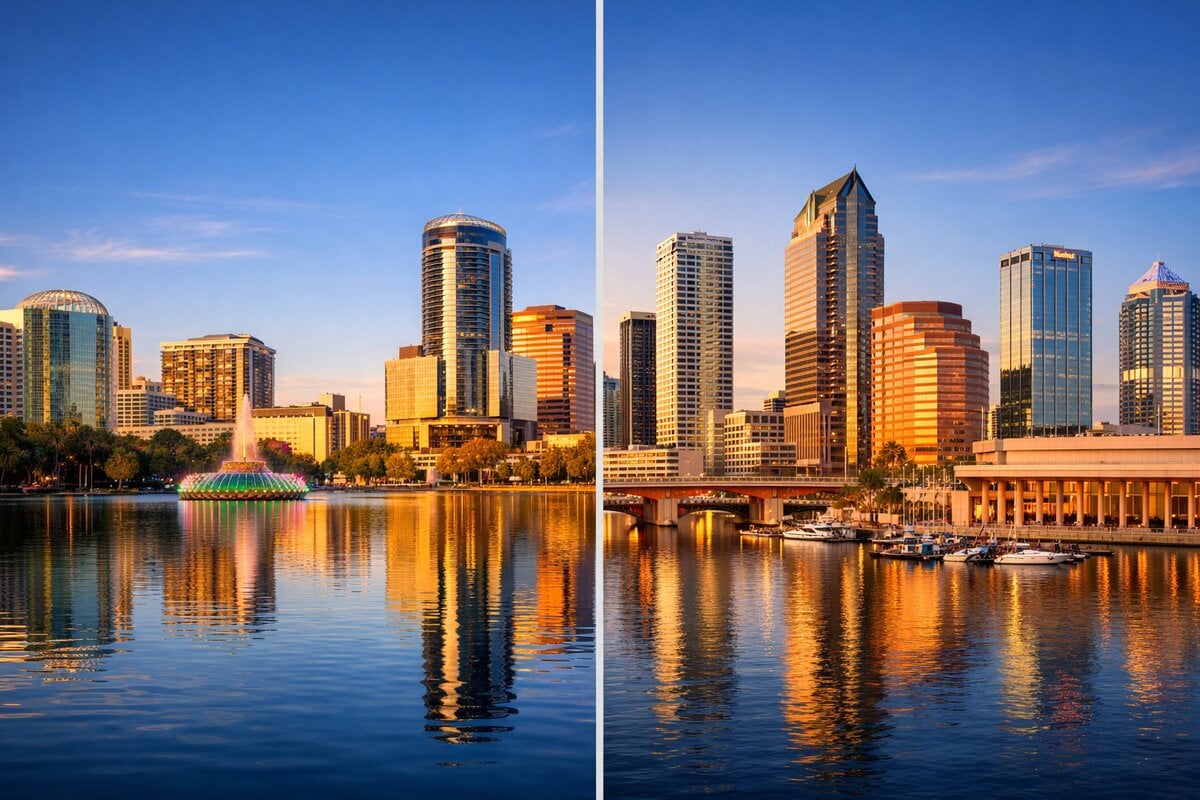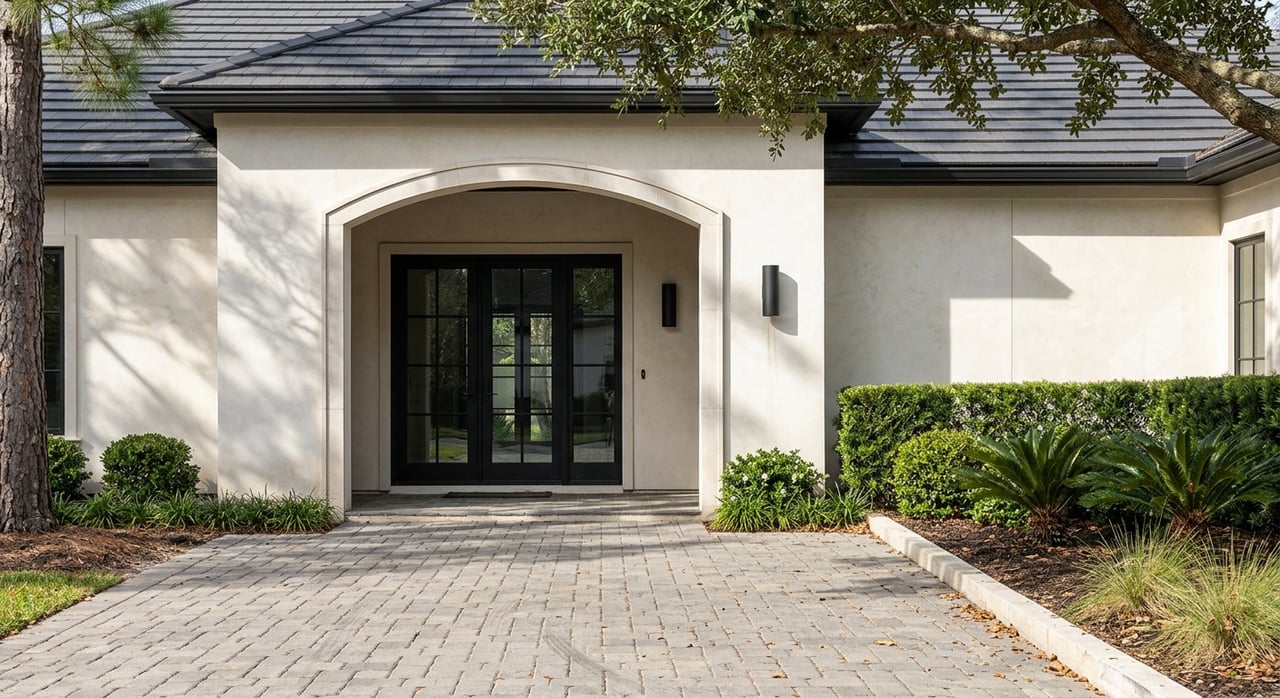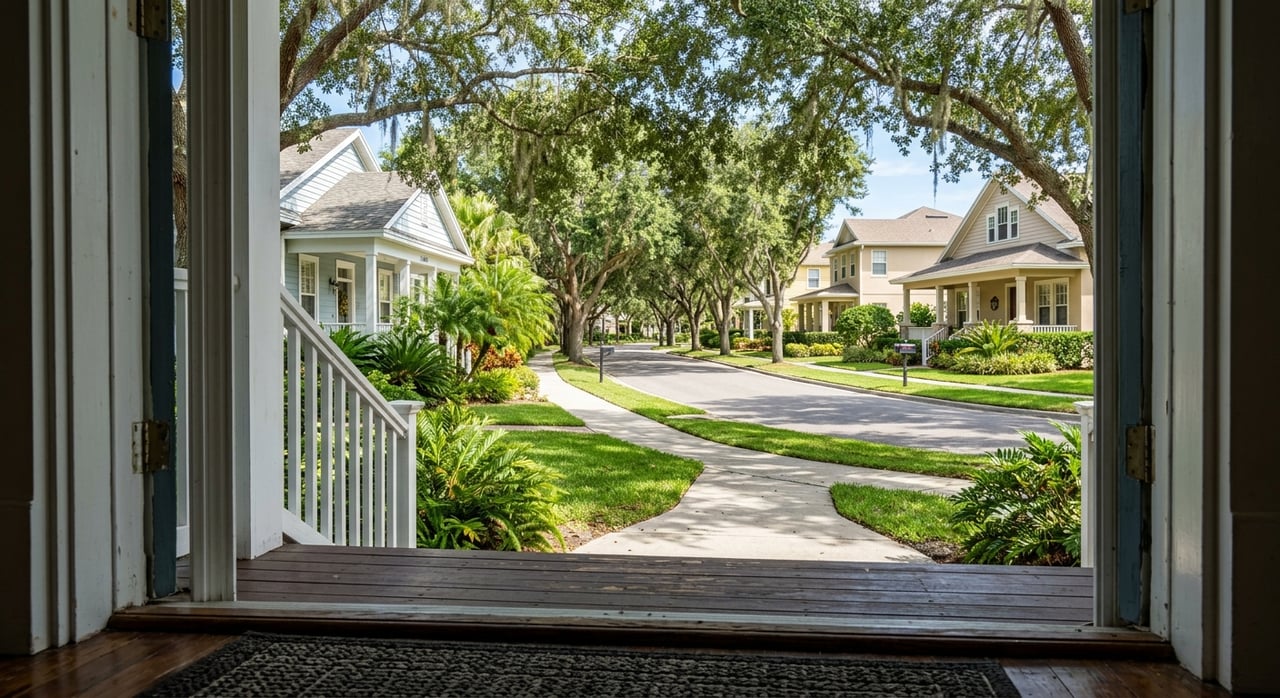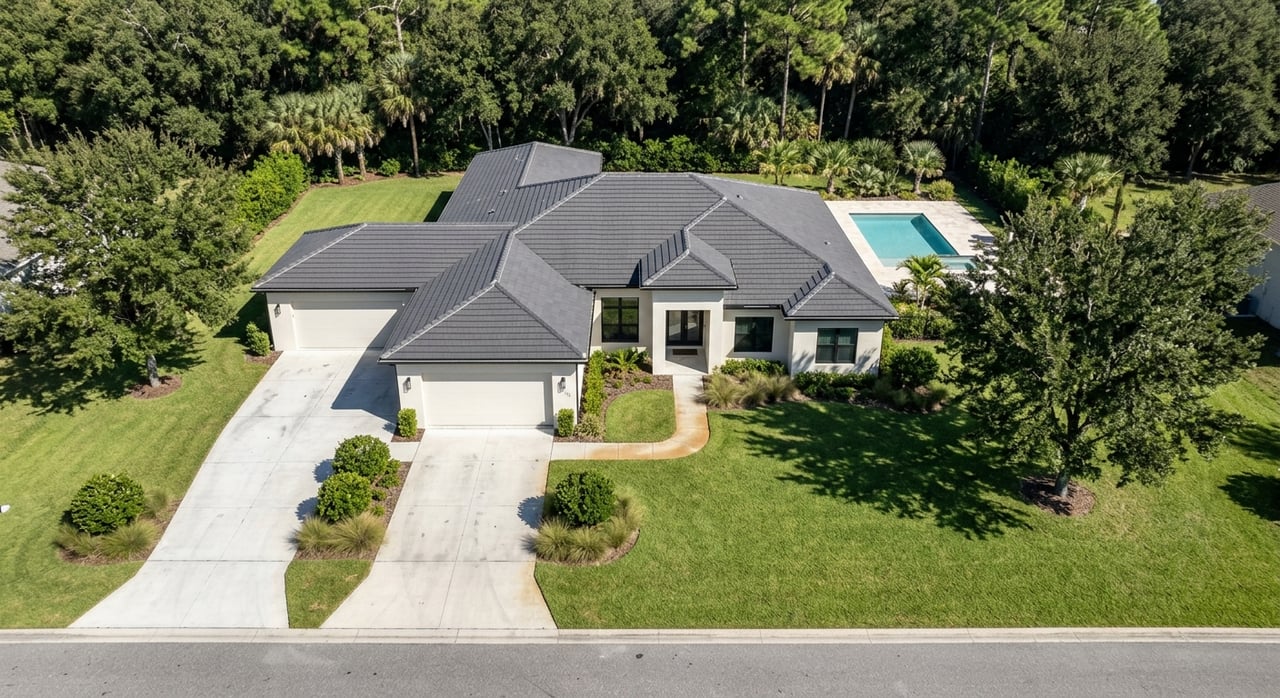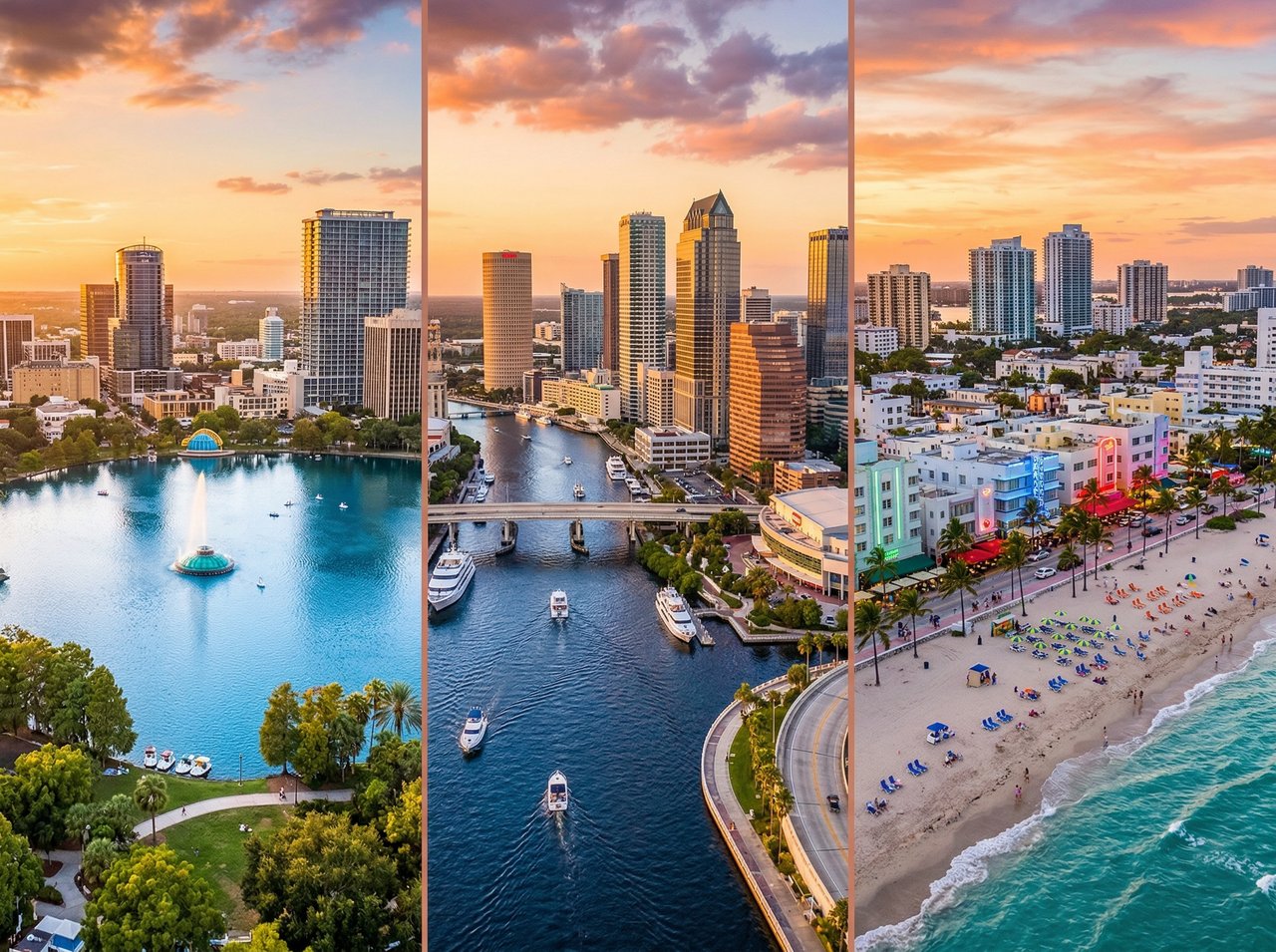
If you are buying a home in Florida in 2026, the three metros that come up most often are Orlando, Tampa, and Miami. Each city has a compelling case, and each comes with real trade-offs. Orlando offers the best balance of affordability, job growth, and investment potential. Tampa sits in the middle on price but is navigating a market correction. Miami delivers prestige and lifestyle but demands a significant financial premium across every cost category. This guide breaks down the numbers so you can make the decision that actually fits your goals.
Quick Comparison: Orlando vs Tampa vs Miami at a Glance
| Metric | Orlando | Tampa | Miami |
|---|---|---|---|
| Median Home Price (2026) | $370,828 | $372,416 | $569,760 |
| YoY Price Change | -3.8% | -5.0% | -2.5% |
| Median Days to Pending | 43 days | 46 days | 62 days |
| Effective Property Tax Rate | ~0.75% (Orange County) | ~0.82% (Hillsborough) | ~0.76% (Miami-Dade) |
| Avg. Monthly Insurance Cost | $204 | $217 | $300 |
| Overall Cost of Living vs. National | 4.5% below | 12% below | 21% above |
| Unemployment Rate (late 2025) | ~4.3% | ~4.0% | ~4.5% |
| School District Niche Grade | B+ (Orange County) | B+ (Hillsborough) | A- (Miami-Dade) |
| Avg. Commute Time | ~28 min | ~27 min | ~30 min |
| Multifamily Cap Rate Range | 5.0%-5.5% | 5.23%-5.63% | 4.7%-5.3% |
What Are Home Prices in Orlando, Tampa, and Miami in 2026?
As of early 2026, Orlando and Tampa are essentially at price parity at the median, while Miami sits in a completely different tier. Orlando's median home value is $370,828 according to Zillow's February 2026 data, down 3.8% year over year. Tampa's median sits at $372,416, down 5.0% over the same period. Miami's median home value is $569,760, also down about 2.5% from a year ago.
The surface-level similarity between Orlando and Tampa disappears when you look at price by tier. Tampa's luxury segment has pulled back sharply, with some Pinellas County neighborhoods seeing double-digit declines. Miami, despite its correction, still commands a 54% premium over Orlando at the median. That gap widens further at the luxury end: Miami's luxury tier (top 5%) has a median sale price of $4.5 million, compared to Tampa's luxury median of $1.5 million and Orlando's Windermere/Isleworth corridor ranging from $2 million to $15 million.
| Price Tier | Orlando (MSA) | Tampa | Miami |
|---|---|---|---|
| Bottom 5% | ~$150,000 | $118,290 | $169,135 |
| Starter (5%-35%) | ~$265,000 | $255,383 | $346,610 |
| Mid (35%-65%) | ~$372,833 | $373,722 | $558,572 |
| High (65%-95%) | ~$580,000 | $586,809 | $986,499 |
| Luxury (top 5%) | $1.5M-$13.9M | $1,522,680 | $4,525,304 |
The practical implication for a buyer in 2026 is that a $400,000 budget gets you a solid single-family home in a good Orlando suburb, a comparable home in Tampa, or a studio or one-bedroom condo in Miami. If you want a detached home in Miami under $500,000, your options are limited to the outer suburbs of Miami-Dade County. You can browse current Orlando listings to get a feel for what that budget unlocks in central Florida.
How Do Property Taxes Compare Across All Three Markets?
Property tax rates across all three markets are closer than most buyers expect, but Tampa carries the highest effective rate of the group. According to SmartAsset data, Hillsborough County (Tampa) has an effective property tax rate of 0.82% with a median annual payment of $3,453. Orange County (Orlando) sits at 0.75% effective rate with a median annual payment of $3,227. Miami-Dade County has the lowest effective rate at 0.76%, with a median annual payment of $4,141, though that higher dollar amount reflects the higher underlying property values.
Florida's homestead exemption applies equally in all three counties. Under the Save Our Homes cap, once you claim homestead exemption, your assessed value cannot increase more than 3% per year regardless of market appreciation. This is a significant long-term advantage for primary homeowners across the state. Investors and non-homesteaded buyers do not receive this protection.
Orlando buyers in new construction communities also need to account for Community Development District (CDD) fees, which typically run $1,500 to $3,000 per year. These do not apply in the same way in Miami's established neighborhoods but are common throughout Orlando's suburban growth corridors.
| County | Metro | Effective Tax Rate | Median Annual Tax |
|---|---|---|---|
| Orange County | Orlando | 0.75% | $3,227 |
| Hillsborough County | Tampa | 0.82% | $3,453 |
| Miami-Dade County | Miami | 0.76% | $4,141 |
What Does Homeowners Insurance Actually Cost in Each City?
This is the category where Miami stands furthest from its competitors, and it is not close. Florida is the most expensive state in the country for homeowners insurance, averaging $7,136 per year according to Insurance.com's 2026 data. Within Florida, Miami commands the highest premiums due to its coastal exposure, hurricane risk, and proximity to sea level.
Specific metro-level data from ValuePenguin shows the monthly insurance burden clearly. Miami homeowners pay an average of $300.40 per month in property insurance, which represents 13.1% of total monthly homeownership costs, the highest share of any major metro in the United States. Tampa is second nationally at $216.86 per month (11.6% of homeownership costs). Orlando buyers pay $204.30 per month, representing 10.7% of homeownership costs.
These are not marginal differences. On an annual basis, a Miami homeowner pays roughly $1,150 more in insurance than an Orlando homeowner on a comparable property. Over a 30-year mortgage, that gap compounds to well over $34,000 in additional insurance costs before accounting for rate increases. This is one of the primary reasons Miami has the highest rate of uninsured homes among major metros, with 20.8% of homes lacking coverage, compared to 18.1% in Tampa and lower rates in Orlando.
| Metro | Monthly Insurance Cost | Annual Insurance Cost | % of Monthly Homeownership Costs |
|---|---|---|---|
| Orlando | $204 | $2,448 | 10.7% |
| Tampa | $217 | $2,604 | 11.6% |
| Miami | $300 | $3,605 | 13.1% |
Which City Has the Lower Cost of Living Overall?
Tampa is the most affordable of the three cities on a total cost-of-living basis. According to cost-of-living index data, Tampa's overall cost of living sits at approximately 12% below the national average. Orlando comes in at about 4.5% below the national average. Miami runs 21% above the national average, driven almost entirely by housing costs that are 59% above the national benchmark.
The housing cost gap is the defining factor. Orlando's housing costs are roughly 44% below Miami's on an index basis. Tampa housing also runs significantly below Miami, though Tampa's recent flood insurance and property insurance escalation has compressed its affordability advantage in coastal neighborhoods.
For renters, the cost difference is similarly stark. Miami's median rent for a one-bedroom apartment runs approximately $2,720 per month and the city demands a household income of $110,000 or more to comfortably afford renting, according to Zillow analysis. Tampa's median rent sits around $1,950 per month. Orlando's median rent for all types runs $1,800 to $1,900 per month. Read our full breakdown of Orlando's cost of living in 2026 for a detailed look at everyday expenses by category.
| Cost Category | Orlando (vs. National) | Tampa (vs. National) | Miami (vs. National) |
|---|---|---|---|
| Overall | 4.5% below | 12% below | 21% above |
| Housing | 11.2% below | 15% below | 59% above |
| Groceries | 5% below | 1% below | 11% above |
| Utilities | 3% above | 11% below | 5% above |
| Transportation | 3% below | 13% below | 1% above |
| Median 1BR Rent | ~$1,800 | ~$1,950 | ~$2,720 |
What Are the Job Markets Like in Orlando, Tampa, and Miami?
Each city has genuine economic strengths, but they serve different professional profiles. Orlando leads on job growth rate and is among the fastest-expanding job markets in the nation. Tampa offers stability and emerging high-demand sectors. Miami provides the largest absolute labor market and international business connectivity.
Orlando's economy is deeper and more diversified than its tourism reputation suggests. The metro employs over 1.5 million workers across tourism, healthcare, aerospace and defense, technology, and simulation. Major employers include Walt Disney World, Universal Studios, Lockheed Martin, AdventHealth, Orlando Health, Siemens Energy, Electronic Arts, and AECOM. The unemployment rate stood at approximately 4.3% in late 2025 per Bureau of Labor Statistics data, with the metro consistently adding jobs faster than the statewide average. The Lake Nona Medical City corridor has become a significant healthcare and life sciences hub, and the growing tech and simulation sector around UCF's Research Park continues to draw employers.
Tampa's economy has expanded around financial services, healthcare, and technology. Raymond James Financial is headquartered here, and the city has attracted a number of financial sector back-office operations relocating from higher-cost northeastern markets. Moffitt Cancer Center anchors a healthcare cluster. Tampa's unemployment edged up slightly through 2025, reflecting some softening in the housing and construction sectors. The average commute time is approximately 27.4 minutes, per Tampa Bay Business Journal reporting from late 2025.
Miami's economy is the largest of the three by total employment and has the broadest international dimension. Finance, international trade, real estate, healthcare, and media are the dominant sectors. The Brickell financial district has continued to attract hedge funds, private equity, and wealth management firms from New York and elsewhere. A household income of $110,000 is required to comfortably afford Miami's rental market, which effectively screens out many entry-level and mid-career professionals. The average commute in South Florida runs approximately 29.5 minutes, making it one of the longest of any major metro in the country per data reported by WLRN.
| Factor | Orlando | Tampa | Miami |
|---|---|---|---|
| Key Industries | Tourism, Healthcare, Aerospace, Tech, Simulation | Finance, Healthcare, Tech, Defense | Finance, Int'l Trade, RE, Media, Healthcare |
| Unemployment Rate (late 2025) | ~4.3% | ~4.0% | ~4.5% |
| Notable Employers | Disney, Universal, Lockheed Martin, AdventHealth | Raymond James, Moffitt Cancer Center, TECO Energy | Carnival Corp, World Fuel Services, Lennar |
| Job Growth Profile | Fastest growth rate | Steady, diversifying | Largest market, highest salaries |
| Income Needed to Live Comfortably | ~$51,500 (single); $80,000+ (family) | ~$55,000 (single) | ~$60,000-$80,000 (single); $110,000+ for rent |
How Do Schools Compare Between Orlando, Tampa, and Miami?
All three school districts are large, and all three contain both high-performing and underperforming schools. The headline grades from Niche's 2026 rankings show Miami-Dade County Public Schools earning an A- and ranking 12th in the state. Hillsborough County Public Schools (Tampa) and Orange County Public Schools (Orlando) both hold B+ grades, with Orange County ranking 19th in Florida and Hillsborough ranked second in the county.
In practice, school quality in all three metros is highly neighborhood-dependent. In Orlando, the top-performing schools cluster in Windermere, Lake Nona, Winter Garden, and Winter Park, areas where home prices run $450,000 and above. Seminole County, just north of Orange County, generally outperforms both on test scores and is worth considering for families who prioritize schools and are flexible on location.
Miami-Dade's A- district grade is somewhat misleading at the school level because the district's 510 schools show substantial variation. The Florida Department of Education's 2025 school grades report gave Miami-Dade an A at the district level, but individual school performance varies widely by neighborhood. Tampa's school performance benefits from geographic concentration of higher-income families in South Tampa, Westchase, and Carrollwood, where GreatSchools ratings consistently run 7-9 out of 10.
| School System | Niche Grade | State Rank | Total Schools | Top-Rated Areas |
|---|---|---|---|---|
| Miami-Dade County Public Schools | A- | #12 in Florida | 510 | Coral Gables, Pinecrest, Doral |
| Hillsborough County (Tampa) | B+ | Top 20 in Florida | ~250 | South Tampa, Westchase, Carrollwood |
| Orange County (Orlando) | B+ | #19 in Florida | 260 | Windermere, Lake Nona, Winter Garden |
| Seminole County (Orlando suburb) | A | Top 5 in Florida | ~70 | Lake Mary, Oviedo, Winter Springs |
For families where school quality is the primary driver, Orlando's access to Seminole County is a meaningful advantage. You can buy in Oviedo or Lake Mary, remain within the Orlando metro, and access schools that rank among the best in Florida.
What Is the Investment and Rental Yield Comparison?
For investors evaluating all three markets, the data points to Orlando as offering the most favorable combination of price-to-rent ratio and cap rate stability. Tampa presents interesting opportunities given price corrections, but also higher risk from continued inventory buildup. Miami offers the tightest cap rates and highest operating costs in the state.
Orlando's multifamily cap rates range from 5.0% to 5.5% in 2026, with vacancy running around 8.9%. A 3-bedroom single-family rental commands $2,100 to $2,400 per month. The market absorbed significant new supply in 2024 and 2025, causing rents to dip modestly (around 1.8% year over year), but investment transaction volume jumped 56% year over year in 2025, signaling that institutional and private buyers see value at current price levels.
Tampa's multifamily market outperformed the broader Sun Belt in Q3 2025, with transactional cap rates reaching 5.63% and REIT-implied cap rates at 5.23% per Tampa Bay Business and Wealth. Median rent runs around $1,950 per month. However, Tampa's residential single-family investor market is challenged by a rising inventory overhang. There were approximately 17,000 homes on the market in Tampa Bay in early 2026 versus a normal of around 12,000, according to market data referenced by Reventure. This supply pressure is likely to keep rents flat or slightly negative through 2026.
Miami presents a more complex picture for investors. Cap rates in the Brickell and Downtown core run around 4.7%, with suburban Miami-Dade (Doral, Kendall, Homestead) offering 5.3%, according to BiggerPockets community analysis from late 2025. Insurance costs for investment properties jumped 29% year over year in Miami, and maintenance costs rose 24%, severely compressing net operating income. Miami's median rent runs approximately $3,000 per month with vacancy at just 7.8%, so gross revenue is strong, but so are operating costs. The condo segment in Miami has shifted to a buyer's market with 12 months of inventory, creating potential opportunities but also significant selection pressure.
For a full analysis of Orlando's rental investment fundamentals, see our guide to investing in Orlando rental properties in 2026.
| Investment Metric | Orlando | Tampa | Miami |
|---|---|---|---|
| Cap Rate Range (Multifamily) | 5.0%-5.5% | 5.23%-5.63% | 4.7%-5.3% |
| Median 3BR Rent (SFR) | $2,100-$2,400 | ~$1,950 | ~$3,000 |
| Vacancy Rate | ~8.9% | ~8.5% | ~7.8% |
| Rent Growth (YoY) | -1.8% (stabilizing) | -0.96% | +2.6% |
| Inventory Overhang | Rising, below norm | Elevated (17K vs 12K norm) | Tight SFR, excess condos |
| Insurance Cost Trend | Elevated but stable | Elevated, pressuring NOI | +29% YoY, highest in state |
How Do Lifestyle and Weather Compare?
Weather across all three cities is broadly similar, but the differences matter for property decisions. Orlando sits inland, which means significantly lower hurricane risk and lower wind insurance loads compared to Tampa and Miami. Miami is the most hurricane-exposed of the three, sitting at the southern tip of the peninsula surrounded by water on three sides. Tampa sits on Tampa Bay and is considered to have high storm surge risk from a direct hit, though such events remain rare historically.
All three cities average over 230 sunny days per year. Miami is slightly warmer year-round due to its tropical location and sees less temperature variation between seasons. Orlando experiences more distinct seasons, with comfortable winters in the low-to-mid 60s and hot, humid summers. Tampa's climate is similar to Orlando's with slightly more coastal moderation.
On lifestyle, the cities occupy distinct niches. Miami is a global city with world-class dining, nightlife, arts, and international culture. It consistently attracts high-net-worth transplants from New York, Latin America, and Europe. Tampa has undergone significant urban revitalization, particularly in downtown, Ybor City, and the Channel District, and offers a more approachable lifestyle at a lower price point. Orlando offers theme park access, a rapidly growing food and arts scene, and a family-friendly environment anchored by world-class master-planned communities like Lake Nona and Celebration.
Transit options remain limited in all three markets. Car dependency is the norm. Miami has the most developed public transit with Metrorail and Metromover. Tampa has HART bus service and the historic streetcar. Orlando operates SunRail commuter rail on a limited corridor and has a planned Brightline high-speed rail connection to Miami that would significantly reshape travel options.
Which Market Is Best for Long-Term Appreciation in 2026?
For primary homebuyers prioritizing long-term appreciation, Orlando's fundamentals are the strongest of the three heading into 2026. The market's price correction has been modest (down 3.8% year over year) compared to Tampa's steeper decline (down 5.0%), and demand is sustained by a diversifying economy, continued population growth, and constrained supply relative to historical norms. The 2026 Orlando real estate market forecast projects 2% to 5% appreciation as inventory normalizes and mortgage rates hold near 6%.
Tampa is in a transitional period. The correction in progress creates entry opportunities for buyers with long time horizons, particularly in neighborhoods that have overbuilt and where prices were artificially inflated during the 2021-2023 surge. However, the elevated inventory and continued new construction completions suggest price pressure will persist through at least mid-2026 before a floor is established.
Miami's long-term appreciation story remains compelling for high-net-worth buyers, particularly in the luxury segment. The city's international appeal, limited land supply, and continued in-migration from global wealth centers provide structural support. But Miami's entry costs, insurance burdens, and total cost of ownership make it the hardest market to generate positive cash flow on and the most exposed to any shift in migration patterns.
Who Should Buy in Each Market?
Buy in Orlando if: You are a first-time buyer, a family prioritizing affordability and school access, a remote worker who wants Florida lifestyle without the Miami price premium, or an investor seeking stable cap rates with manageable operating costs. Orlando's combination of job growth, cost of living advantage, and improving quality of life makes it the best all-around value in Florida in 2026. Connect with us to explore what your budget gets you across Orlando's diverse neighborhoods.
Buy in Tampa if: You work in Tampa's financial or healthcare sectors, want a walkable urban lifestyle at a lower price point than Miami, or are an experienced investor who sees value in a correcting market and has a 5-plus-year horizon. Tampa's correction is real, but so is its economic base. Buyers entering now in well-located submarkets are likely to look smart in 2028 and beyond.
Buy in Miami if: You have the financial profile to absorb higher costs across every category, want global city access, work in international finance or trade, or are buying as a second home or pied-a-terre in a market with deep liquidity and lasting international demand. Miami is not a market for buyers stretching to qualify. It rewards buyers with significant financial flexibility.
Frequently Asked Questions
Is it cheaper to live in Orlando or Tampa or Miami?
Tampa has the lowest overall cost of living of the three, running about 12% below the national average. Orlando is about 4.5% below the national average. Miami is 21% above the national average, largely due to housing costs that are 59% above the national benchmark.
What is the median home price in Tampa vs Orlando vs Miami in 2026?
As of early 2026, Tampa's median home value is approximately $372,416 and Orlando's is $370,828, making them nearly identical at the median. Miami's median home value is $569,760, representing a 54% premium over both Tampa and Orlando.
Why is homeowners insurance so much more expensive in Miami?
Miami's insurance costs are highest because of its coastal exposure, hurricane risk, proximity to water on multiple sides, and the reinsurance crisis that has hit South Florida harder than inland markets. Miami homeowners pay an average of $300 per month in property insurance, compared to $217 in Tampa and $204 in Orlando, and insurance represents 13.1% of Miami's monthly homeownership costs.
Which Florida city has better schools, Orlando or Miami or Tampa?
Miami-Dade County Public Schools hold the highest district-level grade with an A- from Niche and rank 12th in Florida. Orange County (Orlando) and Hillsborough County (Tampa) both hold B+ grades. However, Orlando's neighboring Seminole County holds an A grade and ranks in the top five statewide, making the greater Orlando area competitive with Miami for families who research school zones carefully.
Is Orlando a better real estate investment than Tampa or Miami in 2026?
Orlando offers the best balance of cap rates, entry prices, and manageable operating costs for most investors in 2026. Cap rates range from 5.0% to 5.5%, entry prices are lower than Miami, and insurance costs are the most contained of the three. Tampa offers higher cap rates but faces elevated inventory. Miami's gross rents are highest but insurance and maintenance costs have compressed net operating income significantly.
What is the traffic and commute like in Orlando vs Tampa vs Miami?
Tampa has the shortest average commute at about 27.4 minutes. Orlando averages around 28 minutes but drivers lost an average of 68 hours to traffic delays in 2024, ranking 24th among major U.S. urban areas. South Florida including Miami averages approximately 29.5 minutes and is among the longest commutes of any major metro in the country.
Is the Tampa housing market in a correction in 2026?
Yes. Tampa's median home value is down approximately 5.0% year over year as of early 2026, with some Pinellas County neighborhoods seeing declines exceeding 10%. Inventory has risen to around 17,000 homes from a normal of 12,000, indicating supply outpacing demand. Analysts expect the correction to continue through at least mid-2026 before stabilizing.
Should I buy in Miami or Orlando in 2026?
For most buyers, Orlando delivers more value in 2026. You get a comparable quality of life, better affordability, lower insurance costs, solid job growth, and access to good schools at roughly 35% less than Miami's median price. Miami makes sense if your lifestyle, career, or financial profile is specifically suited to it. If you are comparing the two markets purely on dollars and value, Orlando wins.
Making the right call between Orlando, Tampa, and Miami in 2026 depends on your income, career, risk tolerance, and what you want from daily life. If you are focused on Orlando and want to understand what your specific budget can achieve across neighborhoods like Lake Nona, Windermere, Winter Garden, or Baldwin Park, the SERHANT. Orlando team is ready to help. Reach out to Mark Raumaker for a direct conversation, or browse current listings to see the market firsthand.
Written by Mark Raumaker, SERHANT. Orlando. Data sourced from Zillow (February 2026), Insurance.com (March 2026), ValuePenguin, SmartAsset, Niche, Bureau of Labor Statistics, BiggerPockets, and Redfin (January 2026). This article is for informational purposes and does not constitute financial or investment advice.