Inspection Negotiation Strategy: How to Keep the Deal Together
The key to successful inspection negotiation is separating what actually matters from what does not and then asking for exactly the right amount. In Orlando, that means focusing your repair requests on structural, safety, and major mechanical issues while letting cosmetic findings go. The buyers and sellers who keep deals together are the ones who negotiate with data, not emotion.
A typical Orlando inspection generates 30 to 60 pages of findings. Most are routine observations, not deal-breakers. Your job is to identify the items that affect safety, insurability, and long-term cost of ownership, then negotiate strategically on those items only.
What Should You Actually Negotiate After an Inspection?
Focus on the "big four" systems that Florida insurance companies and lenders care about most: roof, HVAC, plumbing, and electrical. These are the same four systems evaluated in Florida's 4-point inspection, which insurers require for older homes. If any of these systems fail or are near end of life, they affect your ability to insure and finance the property.
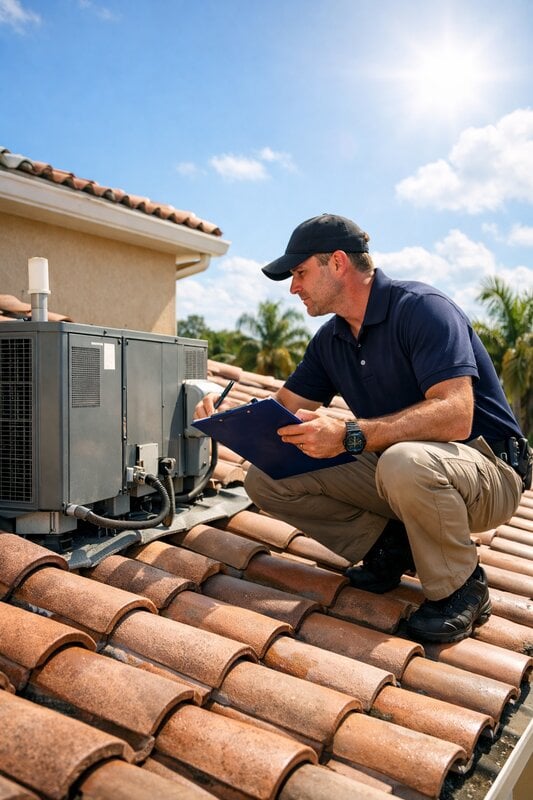
Roof: Florida roofs take a beating from UV exposure, rain, and hurricane-season winds. Most shingle roofs last 15 to 25 years. If the roof is older than 15 years or shows failure signs (missing shingles, active leaks, soft decking), this is a legitimate negotiation item. Replacement runs $8,000 to $20,000+ depending on size and materials. Many insurers will not write a policy on a roof older than 20 years.
HVAC: Air conditioning runs 8 to 10 months per year in Central Florida. If the system is older than 12 to 15 years, low on refrigerant, or failing to cool properly, it needs attention. Replacement runs $5,000 to $12,000. An aging unit that "works for now" is still valid to negotiate because the buyer inherits the replacement cost.
Plumbing: Many Orlando homes built in the 1980s and early 1990s have polybutylene piping. This material is known for premature failure, and many Florida insurers refuse to cover homes with polybutylene pipes or require full repiping before issuing a policy. A repipe costs $4,000 to $10,000. If your inspection reveals polybutylene, this is an insurability and safety issue that warrants serious negotiation.
Electrical: Federal Pacific and Zinsco panels are documented fire hazards found in many Orlando homes from the 1960s through the 1980s. Panel replacement runs $1,500 to $3,000. Aluminum wiring and ungrounded outlets are also legitimate concerns.
Everything else (cosmetic cracks, nail pops, scuffed paint, misaligned cabinet doors, aging but functional appliances) is not worth negotiating.
Should You Ask for a Credit or a Repair?
This depends on the issue, but in most cases, a closing credit is better than a seller-completed repair. Here is why:
Credits give you control. You choose the contractor, the materials, and the timeline. When the seller handles repairs, they are incentivized to do the work as cheaply as possible. A $5,000 roof repair completed by the seller's cousin is not the same as one done by a licensed roofer you trust.
Credits are cleaner. Repair negotiations create back-and-forth about scope, quality, and verification. A credit is a number on the closing statement. Done.
When to request repairs instead of credits:
-
The issue affects the buyer's ability to get financing (e.g., FHA loans require certain repairs before closing)
-
The repair is minor and straightforward (a $300 plumbing fix the seller's licensed plumber can handle in an afternoon)
-
The buyer does not have cash reserves to handle the repair after closing
When requesting a credit, back it up with a licensed contractor's estimate. "We are requesting a $6,500 credit based on the attached estimate from ABC Roofing for the repairs identified on pages 14 to 16 of the inspection report." That is a professional request that gets results.
What Are Reasonable Repair Credit Ranges in Orlando?
Every negotiation is different, but here are realistic ranges for common issues in 2026:
In Orlando's current market, with values down 3.8% and homes sitting for a median of 43 days, sellers are more willing to negotiate credits than they were in 2021 or 2022. Buyers have leverage. Use it wisely, not aggressively.
How Do You Prioritize When the Report Has 50 Issues?
Use this hierarchy:
-
Safety hazards: Anything that could injure someone. Exposed wiring, gas leaks, missing handrails on elevated decks, non-functional smoke detectors, structural deficiencies.
-
Insurability issues: Items that will prevent you from getting homeowners insurance. In Florida, this usually means roof condition, polybutylene plumbing, and outdated electrical panels (Federal Pacific, Zinsco).
-
Major mechanical systems: HVAC at end of life, water heater failures, main sewer line problems.
-
Active water intrusion: Roof leaks, plumbing leaks, grading issues causing water to enter the foundation. Water is the number one destroyer of Florida homes.
-
Everything else: Let it go. Cosmetic issues, minor wear, and deferred maintenance that does not affect safety or major systems are part of buying a lived-in home.
Pick your top 3 to 5 items maximum. Presenting the seller with a 20-item repair list signals that you are difficult to work with and often causes sellers to reject negotiations entirely or move to a backup offer.
The best inspection requests are short, specific, and supported by page references from the report and contractor estimates.
What Is the Re-Inspection Trap and How Do You Avoid It?
Some buyers fall into a cycle where they request repairs, the seller completes them, and then the buyer orders a re-inspection that turns up new issues or questions the quality of the repairs. This creates frustration, delays, and sometimes kills the deal.
Here is how to avoid it:
-
If you request repairs: Require that work be completed by licensed contractors with paid invoices and warranty documentation.
-
If you request a credit instead: No re-inspection needed because you handle the work yourself after closing.
-
Limit re-inspection scope. Specify that it covers only the agreed-upon repair items, not a full new inspection.
The re-inspection trap is one of the top reasons deals fall apart in the final week before closing. Clear, written agreements about scope and standards prevent it.
When Should You Walk Away After an Inspection?
Walking away is the right call in these situations:
-
Major structural issues (foundation problems, significant settling, compromised load-bearing walls)
-
Multiple overlapping system failures (bad roof, failing HVAC, and outdated plumbing all in the same house suggests pervasive neglect)
-
The seller refuses to address legitimate safety or insurability items. That tells you something about how the rest of the home has been maintained.
-
The cost to fix exceeds what the market supports. If repairs total $30,000 on a $350,000 home and the seller will only credit $5,000, the math does not work.
In neighborhoods like Maitland, College Park, and Oviedo where inventory has grown in 2026, there will be another house.
How Should Sellers Prepare for Inspection Negotiations?
If you are selling, the best inspection negotiation strategy starts before you list:
Get a pre-listing inspection. Spend $350 to $500 to find out what buyers will find. Fix what makes sense. Disclose what you choose not to fix. This eliminates surprises and puts you in control.
Address the big four proactively. If your roof is 18 years old, get a roofing company to evaluate it. If your HVAC is aging, have it serviced and documented. Buyers negotiate hardest on unknowns. Documentation reduces their leverage.
Price it right. Sellers who overprice and then face aggressive inspection negotiations end up giving away more than if they had priced correctly. In areas like Downtown Orlando and Thornton Park, realistic pricing prevents the double-discount of a price reduction followed by inspection credits.
Do not take it personally. Inspection requests are a normal part of every transaction. Responding defensively kills deals that should have closed.
What Does a Successful Inspection Negotiation Look Like?
A good negotiation results in both sides feeling like they got something fair.
Example: A buyer under contract on a $475,000 home in Dr. Phillips receives an inspection showing an aging roof (17 years) and an HVAC system with a refrigerant leak. The buyer gets two contractor estimates, requests a $7,500 credit, and ignores the cosmetic items. The seller counters at $5,000. They settle at $6,000. The deal closes on time.
Focused, data-driven, and professional. That is what keeps deals together.
Frequently Asked Questions
What are the most important items to negotiate after a home inspection in Florida?
Focus on the "big four" systems that Florida insurers evaluate: roof, HVAC, plumbing, and electrical. These affect safety, insurability, and long-term cost of ownership. Cosmetic issues and minor wear are not worth negotiating in most transactions.
Should I ask for a repair or a credit after inspection?
In most cases, a closing credit is better because it gives you control over the contractor, materials, and timeline. Request repairs only when the lender requires it (common with FHA loans) or when the fix is simple and straightforward.
What is polybutylene plumbing and why does it matter in Orlando?
Polybutylene is a type of plastic plumbing pipe installed in many Florida homes built in the 1980s and early 1990s. It is known for premature failure and many insurance companies refuse to cover homes with polybutylene pipes. A full repipe typically costs $4,000 to $10,000 and is a legitimate negotiation item.
How many repair items should I request after an inspection?
Limit your requests to the top 3 to 5 most significant items. Long repair lists make sellers defensive and often result in rejected negotiations or lost deals. Prioritize safety, insurability, and major mechanical issues.
Can a seller refuse all inspection repair requests?
Yes. The seller has no obligation to agree to any repairs or credits. If they refuse, the buyer can proceed as-is, continue negotiating, or exercise their inspection contingency and cancel the contract. In Orlando's 2026 market, most sellers are willing to negotiate on legitimate major items because they understand that the next buyer will find the same issues.