Dr. Phillips: Lifestyle, Tradeoffs, and What Buyers Actually Think
Dr. Phillips gives you the best dining access in Orlando, a central location between the theme parks and downtown, and established neighborhoods with mature trees and real character. The tradeoff is traffic. If you can live with I-Drive congestion and the tourist corridor being your neighbor, Dr. Phillips delivers a lifestyle that very few Orlando neighborhoods can match at $400K to $1.2M.
Most buyers who end up in Dr. Phillips prioritize location and lifestyle over new construction and HOA amenities. Here is what that looks like in practice.
Why Do Buyers Love Restaurant Row?
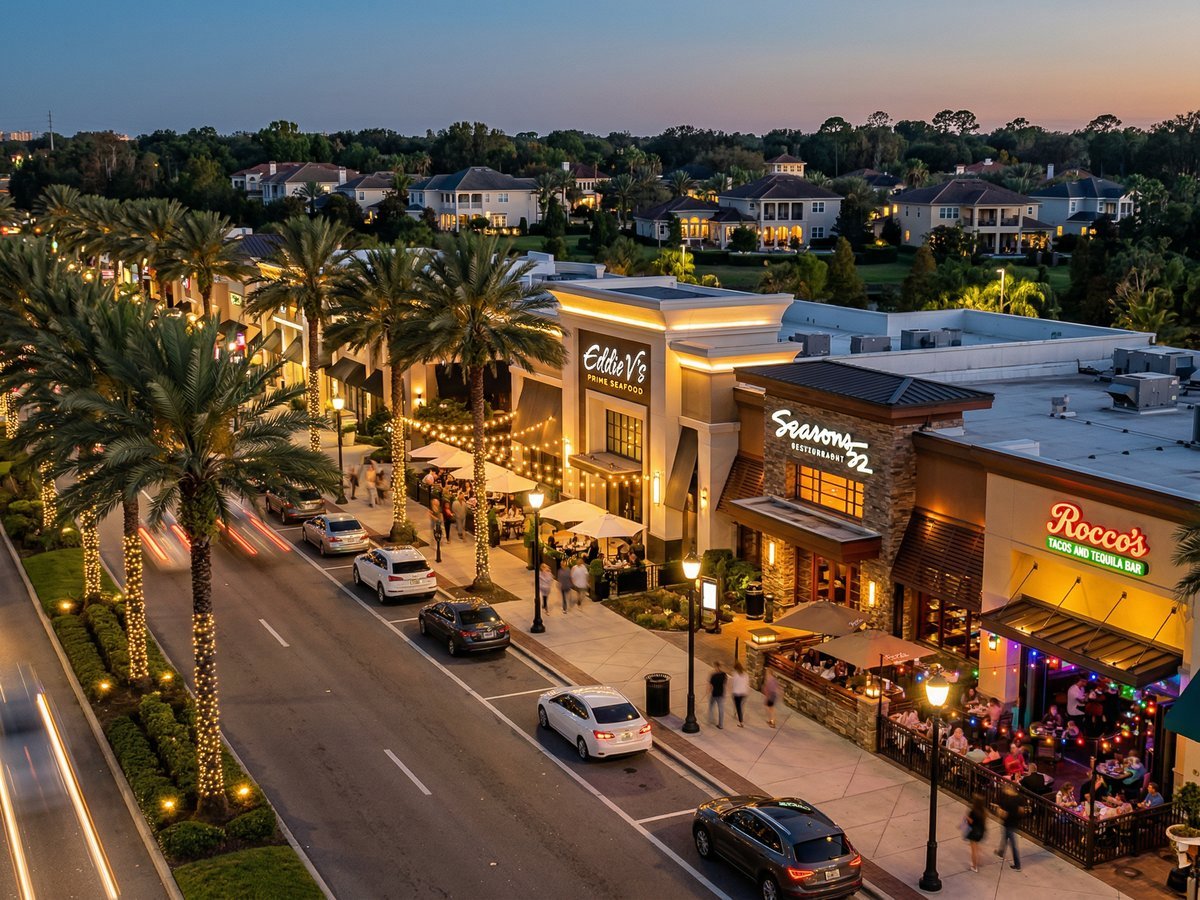
Restaurant Row, the stretch of Sand Lake Road between Dr. Phillips Boulevard and International Drive, is the most concentrated dining corridor in Central Florida. You are within a five-minute drive of dozens of independent and high-end restaurants spanning cuisines from Vietnamese and Korean to Brazilian steakhouses and Japanese omakase.
This is not a suburban chain-restaurant strip. Dr. Phillips has arguably the best food scene in the Orlando metro, and it is right in your neighborhood. Buyers who come from food-forward cities like New York, Chicago, or Los Angeles consistently say Restaurant Row was a deciding factor. When your Tuesday night dinner options include Dragonfly, Christini's, or Hawkers, you start to understand why people stay in Dr. Phillips for decades.
Beyond dining, the proximity to theme parks is either a pro or a con depending on your perspective. Universal Orlando and Walt Disney World are both within 10 to 15 minutes. If you work in hospitality or have annual passes, this is incredibly convenient. If you hate tourist traffic, it is a daily irritation.
What Are the Homes Like in Dr. Phillips?
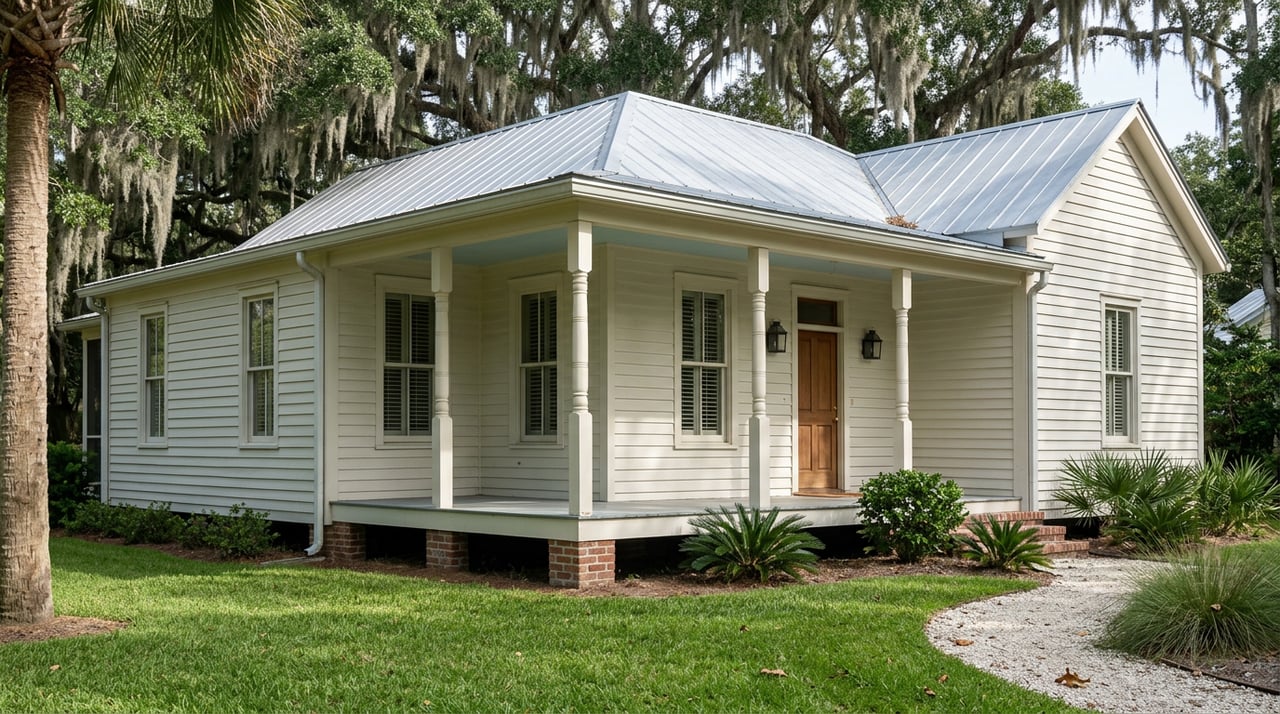
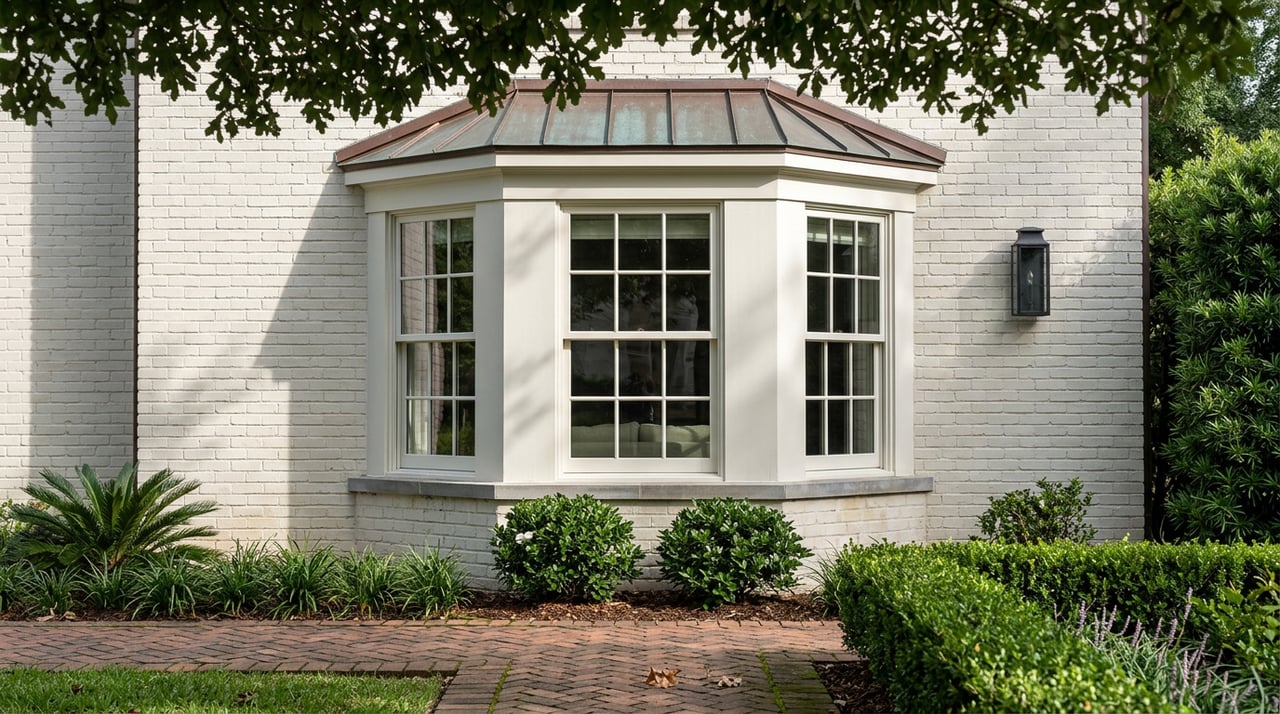
Most homes in Dr. Phillips were built between the 1980s and early 2000s. You are looking at established single-family neighborhoods with larger lots, mature landscaping, and a mix of architectural styles from Florida ranch to Mediterranean revival.
Here is what the price spectrum looks like:
-
$400K to $550K: Three-bedroom, two-bath homes from the 1980s and 1990s. Often 1,400 to 1,800 square feet. Some will need updated kitchens, bathrooms, and possibly a roof. Good starter homes for the area.
-
$550K to $800K: Four-bedroom homes with pools, updated interiors, and 2,000 to 3,000 square feet. This is the core Dr. Phillips market. Many of these are in gated or semi-gated communities.
-
$800K to $1.2M+: Larger estates, newer renovations, and premium lot positions. Some waterfront properties on the area's smaller lakes. Communities like Parkside and Phillips Landing push into this range.
The median listing price in Dr. Phillips is approximately $575K to $623K depending on the data source, which aligns with the four-bedroom, pool-home sweet spot that defines the neighborhood.
One thing to budget for: homes built in the 1980s and 1990s often need roof replacements, and that directly impacts your insurance costs. Florida insurers scrutinize roof age more than almost any other factor. A new roof can cost $15,000 to $30,000 but may save you $3,000 to $5,000 per year on insurance premiums.
How Bad Is the Traffic, Really?
It depends on where you are going and when. The I-Drive corridor is congested during peak tourist seasons and rush hours. If your daily route takes you through the International Drive or Sand Lake Road intersection, you will deal with it.
The commute to downtown Orlando runs 20 to 30 minutes during rush hour via I-4 or the 408, depending on your starting point within Dr. Phillips. The commute to the theme park employment corridor is 10 to 15 minutes. Getting to the airport takes about 25 to 30 minutes.
The practical impact: if you work on I-Drive, at a theme park, or from home, Dr. Phillips traffic is manageable. If you commute to Lake Mary, Sanford, or anywhere north of downtown, you will feel the I-4 congestion daily.
Buyers who come from major metro areas (New York, LA, DC) generally shrug at the traffic. Buyers relocating from less congested markets find it more frustrating.
Who Is the Ideal Dr. Phillips Buyer?
Dr. Phillips works best for:
-
Families with school-age children who want established neighborhoods with community feel
-
Professionals working in the tourism and hospitality corridor who need to be close to I-Drive and the parks
-
Foodies and social buyers who prioritize dining and entertainment access
-
Buyers who value mature neighborhoods over new construction and master-planned amenities
-
Remote workers who want central location without paying Windermere or Winter Park premiums
Dr. Phillips does not work well for buyers who want brand-new construction, walkable urbanism, or distance from the tourist corridor. If you want a 2024-built home with a resort pool and clubhouse, Horizon West or Lake Nona will serve you better.
How Are the Schools?
Dr. Phillips is served by Orange County Public Schools with several solid options. Dr. Phillips High School is one of the larger high schools in the district and has a strong reputation, particularly for its performing arts and athletics programs. Elementary and middle school options include well-rated magnet programs.
The area also has strong private school access. The proximity to central Orlando means schools like The First Academy, Bishop Moore Catholic, and Trinity Preparatory School are all within a reasonable drive.
For families, the school picture in Dr. Phillips is above average for the Orlando metro, though not at the top-tier level of Winter Park or parts of Seminole County.
What About Resale and Long-Term Value?
Dr. Phillips benefits from a location that does not depreciate. The proximity to the tourism corridor, Restaurant Row, and major employment centers creates persistent demand. Unlike outer-ring suburbs that depend on population growth for appreciation, Dr. Phillips has a built-in demand driver.
The challenge is that older homes require ongoing investment. Buyers who purchase a 1990s home at $500K and put $80K into a renovation typically see strong returns because the location carries the value. Buyers who defer maintenance and let the home age see slower appreciation.
In the current market, with Orlando values down 3.8% year-over-year, Dr. Phillips has held steadier than many newer suburban areas. Established neighborhoods with limited new inventory tend to be more resilient during corrections.
FAQ
What is the price range for homes in Dr. Phillips?
Most homes fall between $400K and $1.2M. The core market is $550K to $800K for a four-bedroom home with a pool. Entry-level starts around $400K for older three-bedroom homes that may need updates.
Is Dr. Phillips close to Disney World?
Yes. Walt Disney World is approximately 10 to 15 minutes from most parts of Dr. Phillips. Universal Orlando is even closer at 5 to 10 minutes. This proximity is a major draw for theme park employees and annual passholders.
How much is homeowners insurance in Dr. Phillips?
Budget $4,000 to $8,000+ per year depending on the age of your home and roof condition. Homes with roofs older than 15 years face significantly higher premiums. Florida's statewide average is $8,292 per year.
Are there HOA fees in Dr. Phillips?
Some Dr. Phillips neighborhoods have HOAs and some do not. Gated communities typically charge $150 to $350 per month. Non-gated, older neighborhoods may have no HOA or minimal annual dues.
What is the commute from Dr. Phillips to downtown Orlando?
Expect 20 to 30 minutes during rush hour via I-4 or the 408 toll road. Off-peak, you can make it in 15 to 20 minutes. The airport is about 25 to 30 minutes away.
Explore pricing, home styles, and local insights in our Dr. Phillips neighborhood guide.